
Why is public interest in Shafali Verma and the Indian women's cricket team rising sharply?
Public interest and search activity surrounding prominent Indian cricketers, including opener Shafali Verma, have surged as the Indian women's national cricket team advanced to the final of the Women's Asia Cup 2026. Major international cricket tournaments frequently elevate the public profile of key squad members, especially when a team achieves high-stakes knockout victories. India's recent campaign in the Women's Asia Cup 2026 has drawn substantial national and international attention due to the team's commanding play throughout the multi-nation tournament. As one of the core figures in India's top-order batting lineup, Shafali Verma routinely serves as a major focal point for supporters, media analysts, and general audiences tracking the team's international fixtures. When India reaches a championship match, key players across the roster become focal points of global search trends. Although team dynamics involve collective performances across batting and bowling units, individual players like Verma naturally attract heightened tracking from fans looking for match updates, roster details, and performance summaries during critical stages of continental tournaments.
What happened during the Women's Asia Cup 2026 semi-final fixture between India and Bangladesh?
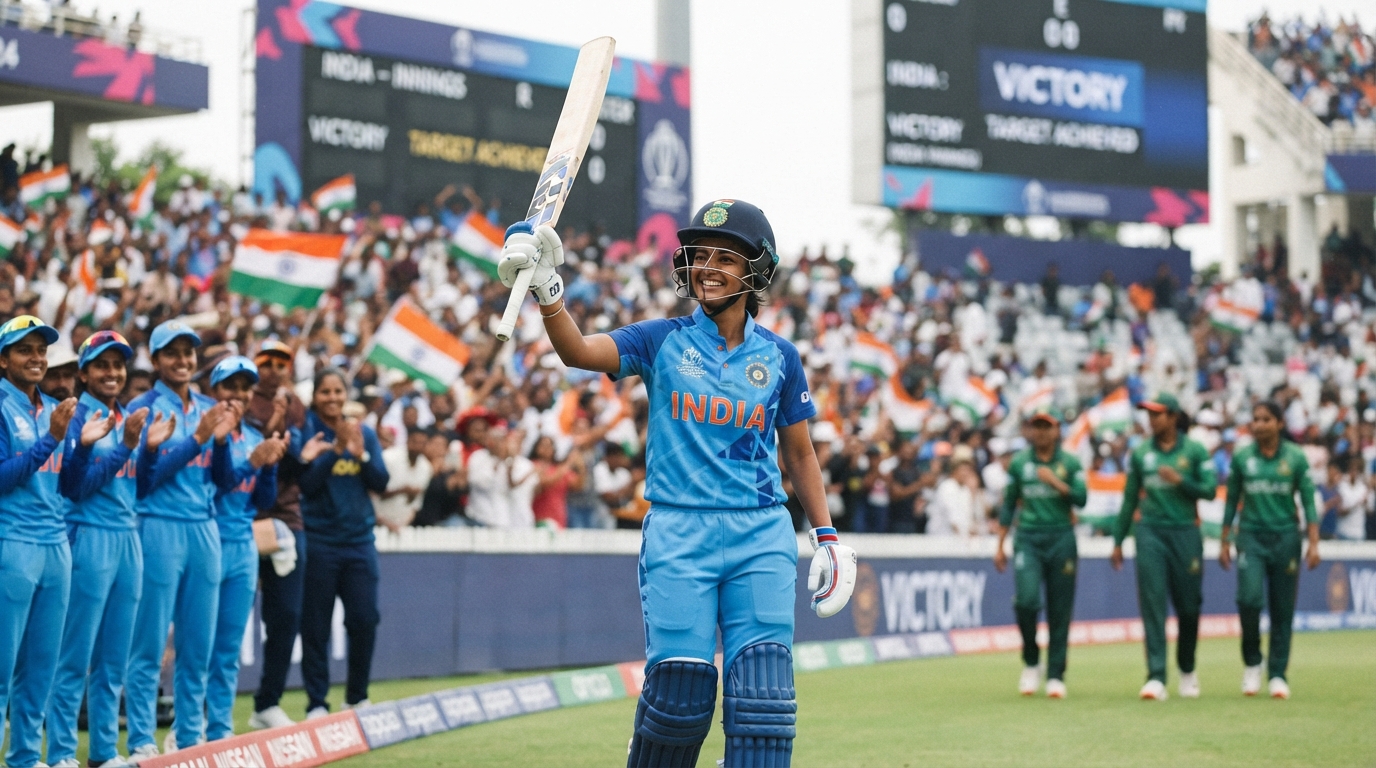
In Semi Final 1 of the Women's Asia Cup 2026, designated as the matchup between group leaders A1 and B2, India Women (INDW) faced off against Bangladesh Women (BANW). According to match reporting from official cricket governing bodies and sports media outlets, India produced a dominant overall performance to defeat Bangladesh and earn direct entry into the tournament's final match. Coverage of the match highlighted key tactical phases, particularly in the bowling execution that restricted Bangladesh's scoring potential and enabled India to maintain firm control over the semi-final encounter. India's decisive win in Semi Final 1 demonstrated clear superiority in match management during pressure-filled elimination rounds. By defeating Bangladesh in convincing fashion, India successfully fulfilled expectations as a primary tournament contender and earned the right to contest the championship trophy in the final fixture of the Women's Asia Cup 2026.
Who are the key players and leaders shaping the narrative surrounding India's tournament campaign?
India's march to the Women's Asia Cup 2026 final has featured key contributions and public statements from central figures within the national squad setup. Prominent team members such as all-rounder Deepti Sharma have taken active roles in addressing media inquiries and setting the team's expectations heading into the championship match. Deepti's public comments have provided clear insights into team morale, tactical preparation, and squad readiness following their semi-final victory. Alongside leadership figures like Deepti, high-profile top-order players such as Shafali Verma remain integral components of the team's overall identity and public footprint. While different matches highlight individual contributions from bowlers, batters, and fielders, the combined presence of established international stars ensures sustained interest from audiences following the Women's Asia Cup 2026. The balance between veteran experience and aggressive top-order play remains a defining characteristic of the Indian team as structured for this continental tournament.
How has the Indian team leadership addressed ongoing questions regarding fielding quality?
Despite India's convincing victory over Bangladesh in Semi Final 1, sports media coverage and match evaluations brought attention to existing concerns regarding the team's fielding performance. Questions surrounding dropped catches, ground fielding lapses, or positioning errors had emerged as potential vulnerabilities that opposing teams might exploit during high-stakes knockout games. In response to these concerns, Indian all-rounder Deepti Sharma publicly brushed aside assertions that fielding flaws would impede the squad's championship ambitions. Addressing media inquiries ahead of the ultimate match, Deepti asserted that the squad remains thoroughly prepared and mentally focused for the Asia Cup final. By downplaying external criticism regarding fielding woes, team leadership emphasized confidence in their operational preparation, collective resilience, and ability to execute under pressure regardless of past fielding mistakes.
Where do the limitations of currently available source reporting lie regarding individual player statistics?
While the available news coverage confirms India's victory over Bangladesh in Semi Final 1 and highlights team preparation for the final, the provided source reporting does not publish detailed individual scorecards or numerical statistical breakdowns for specific players, including Shafali Verma. The available highlights and reports from official channels confirm match outcomes and general player highlights, such as bowling highlights in the semi-final match, but omit granular statistical data regarding runs scored, balls faced, or individual bowling figures for every single player. Consequently, specific individual performance metrics for Shafali Verma during this exact semi-final fixture remain unestablished within the scope of the provided source reports. To maintain absolute factual precision, reporting must distinguish between documented team-level outcomes—such as India's entry into the final and Deepti's post-match statements—and unconfirmed individual match statistics that are not explicitly detailed in the underlying reporting text.
Why does reaching the Women's Asia Cup 2026 final carry major significance for Indian cricket?
Reaching the final of the Women's Asia Cup 2026 reinforces India's established standing as a premier power in Asian continental cricket. Success in multi-nation regional tournaments serves as a primary benchmark for assessing team depth, tactical adaptability, and consistency against regional rivals. Securing a spot in the final validates the team's preparation and selection strategies throughout the group and knockout stages. Furthermore, dominant performances in continental tournaments provide essential momentum for players across the squad. For high-profile athletes like Shafali Verma and Deepti Sharma, competing in and winning high-pressure championship matches enhances international prestige and solidifies team standards ahead of upcoming global fixtures. A strong showing in the final also maintains public engagement and commercial interest in women's cricket across the region.
When will the final be played and what unanswered questions remain for India's tactical setup?
With India's spot in the Women's Asia Cup 2026 final officially confirmed following their semi-final victory over Bangladesh, attention turns to the forthcoming championship match. However, certain logistical details and tactical elements remain unanswered by the immediate post-match coverage. The exact opponent for the final depends on the outcome of the secondary semi-final bracket, leaving India's specific match preparations subject to final confirmation of their opponent's tactical profile. Additionally, unanswered questions persist regarding how the Indian coaching staff and playing group will address the fielding deficiencies highlighted prior to the final. Whether India can deliver a clean, error-free defensive display in the field while maintaining their dominant form with bat and ball remains a central storyline for observers watching the conclusion of the Women's Asia Cup 2026 tournament.
Sources
More from Sports