
Why has Harmanpreet Kaur become a central topic in recent international cricket news?
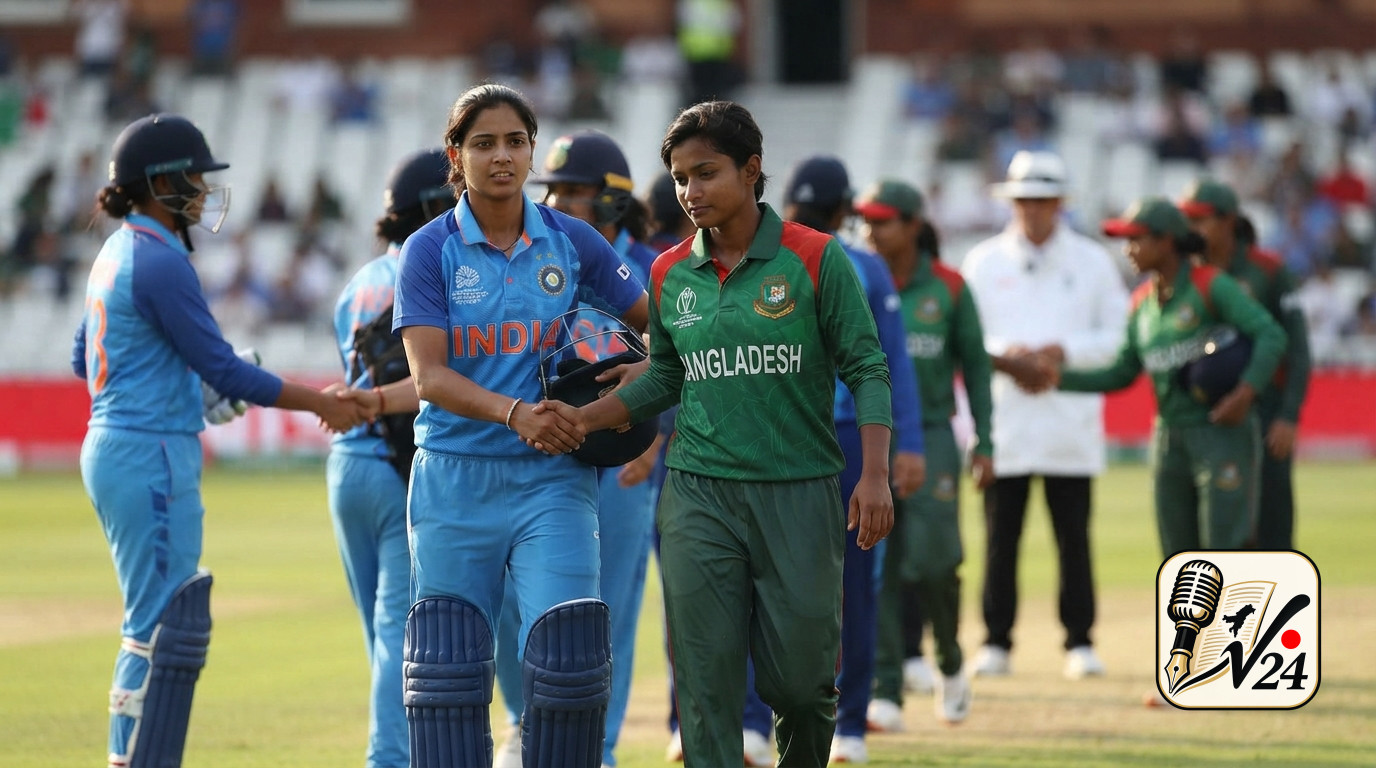
Indian women's cricket team captain Harmanpreet Kaur recently became a central figure in international sports headlines following an unexpected post-match breach of traditional protocol during the Women's Asia Cup. During the tournament, Bangladesh women's cricket captain Nigar Sultana executed a public handshake snub aimed directly at Kaur, choosing to bypass the conventional post-match greeting between opposing team leaders. This incident quickly sparked widespread attention across the international cricket community due to the strong emphasis that international sports bodies place on sportsmanship and formal protocol. The post-match handshake between captains is a long-standing custom meant to signify professional respect, regardless of the match's intensity or outcome. The situation gained further traction after cricket administrative bodies began evaluating the incident. Rather than remaining an isolated on-field gesture, the controversy escalated into a major organizational matter for the Bangladesh Cricket Board, drawing global media focus to both team leaders and bringing questions of administrative discipline and professional conduct to the forefront.
What specifically happened between Nigar Sultana and Harmanpreet Kaur during the tournament?
The core of the controversy occurred during the Women's Asia Cup when Bangladesh skipper Nigar Sultana visibly declined to participate in a standard post-match handshake with Indian captain Harmanpreet Kaur. Observers and media outlets covering the event quickly noted the deliberate snub, which broke from standard post-match courtesies established in international cricket matches. The gesture involved an intentional refusal or deliberate decision to bypass shaking hands with Kaur at the conclusion of match play. In high-profile regional competitions like the Women's Asia Cup, competing athletes and particularly team captains are expected to participate in standard post-game rituals that demonstrate fair play and mutual respect. Sultana's public decision to avoid the greeting immediately drew widespread attention. While competitive rivalries in international cricket often produce tense moments on the field, a direct and visible refusal to offer a handshake between team captains represents a major departure from standard diplomatic expectations in international sport.
How did the Bangladesh Cricket Board respond to Nigar Sultana's actions?
The Bangladesh Cricket Board reacted swiftly to the growing international scrutiny by publicly distancing itself from Nigar Sultana's conduct. Rather than offering official backing or defending their captain's choice to snub Harmanpreet Kaur, the board explicitly clarified that the action was taken entirely on Sultana's own initiative. Official statements from the governing body made clear that the board had not sanctioned, advised, or supported the gesture before or during the match. The BCB specifically noted that the decision to bypass the handshake was strictly her own decision, separating the governing body's official stance from the player's personal actions on the field. By steering clear of the handshake row, the Bangladesh Cricket Board sought to protect its organizational reputation and maintain alignment with international standards of sportsmanship. The move effectively isolated the Bangladesh skipper, highlighting that individual breaches of protocol do not carry administrative endorsement.
Who are the key figures involved and what context surrounds the gesture?
The two primary figures involved in the controversy are Harmanpreet Kaur, the long-serving captain of the Indian national women's cricket team, and Nigar Sultana, the captain of the Bangladesh national women's cricket team. Both players were representing their respective countries during the Women's Asia Cup, a premier regional tournament governed by international standards of play. In international cricket, team captains hold a symbolic role as official representatives of their national boards and countries. Post-match handshakes serve as an essential visual demonstration of sportsmanship, reinforcing the spirit of the game above competitive outcomes. The context surrounding the gesture reflects the broader public expectations placed on athlete conduct during televised international competitions. When a team leader chooses to break established post-match protocol, the act is evaluated not merely as a personal disagreement, but as a public statement regarding team discipline and professional standards.
What impact does this handshake controversy have on Nigar Sultana's leadership status?
The administrative and public fallout from the handshake snub has significantly impacted Nigar Sultana's leadership position within Bangladesh cricket. Reports indicate that her decision to snub Harmanpreet Kaur has backfired, leaving her future as national team captain hanging in the balance. Because the Bangladesh Cricket Board declined to back her actions and explicitly attributed the decision solely to her, Sultana's leadership authority has been called into question. The governing body has reportedly placed her captaincy under formal review to assess her suitability to continue leading the national squad. This development illustrates the severe administrative consequences that can arise when national team captains depart from expected standards of professional conduct. Rather than establishing a competitive advantage or settling an on-field dispute, the snub has jeopardized Sultana's standing with her national board and endangered her position as team skipper.
Where do key unanswered questions remain regarding the motivation behind the snub?
Despite extensive media coverage of the incident and the subsequent administrative responses, several details regarding the exact motivations behind the snub remain unconfirmed in available reports. The primary unanswered question is what specific incident or ongoing tension drove Nigar Sultana to bypass the handshake with Harmanpreet Kaur. The available reporting does not establish whether the snub was triggered by specific events during the Asia Cup match, pre-existing rivalries, or individual verbal exchanges between the players. Neither captain's complete personal account or detailed post-match statement has been fully outlined in official board releases. Additionally, the reporting does not clarify whether Harmanpreet Kaur or the Indian team management lodged a formal complaint regarding the breach of protocol. Because official statements have focused primarily on the BCB's decision to distance itself from Sultana, the full contextual background behind the interaction remains unverified.
When can cricket followers expect a final resolution regarding the leadership status?
Cricket followers and analysts are awaiting official updates from the Bangladesh Cricket Board regarding the formal review of Nigar Sultana's captaincy. The outcome of this internal review will determine whether she remains in her leadership role for future international series or if the board will select a new captain to lead the women's national team. The timing of any official administrative announcement will depend on internal governance procedures within the BCB as they evaluate player discipline, team leadership guidelines, and international protocol standards. The decision will establish an important benchmark for how the board manages player conduct during major tournaments moving forward. For Harmanpreet Kaur and the Indian national team, focus remains on ongoing international schedule commitments, as the administrative consequences of the handshake controversy rest entirely within the jurisdiction of the Bangladesh Cricket Board.
Sources
- The Times of India: Women’s Asia Cup: Nigar Sultana’s handshake snub to Harmanpreet Kaur backfires as BCB distances itself, p
- Cricbuzz: BCB steer clear of Nigar's handshake row, but her captaincy future hangs in balance
- Hindustan Times: Bangladesh captain’s Harmanpreet Kaur handshake snub gets no BCB backing: ‘It was her own decision’ | Cricket
More from Sports