
Why is Lalbaugcha Raja drawing nationwide attention during Ganesh Chaturthi 2026?
The annual festival of Ganesh Chaturthi sees Mumbai transform into a primary hub of religious devotion, cultural showcase, and public celebration. Among the city's numerous festive committees, the Lalbaugcha Raja Sarvajanik Ganeshotsav Mandal holds a distinguished position due to its immense public popularity, historic legacy, and elaborate visual presentations. In 2026, national interest has spiked following the official first-look unveiling of the idol and its surrounding installation. Millions of devotees across India, from Maharashtra to Northeast states like Assam, monitor the updates to plan physical visits or arrange remote viewing through broadcast and online digital streams. The massive scale of public participation, coupled with high-profile security measures and insurance arrangements across prominent Mumbai mandals, places Lalbaugcha Raja at the center of national media coverage during the festive season.
What features were revealed during the first look unveiling of the 2026 Lalbaugcha Raja?
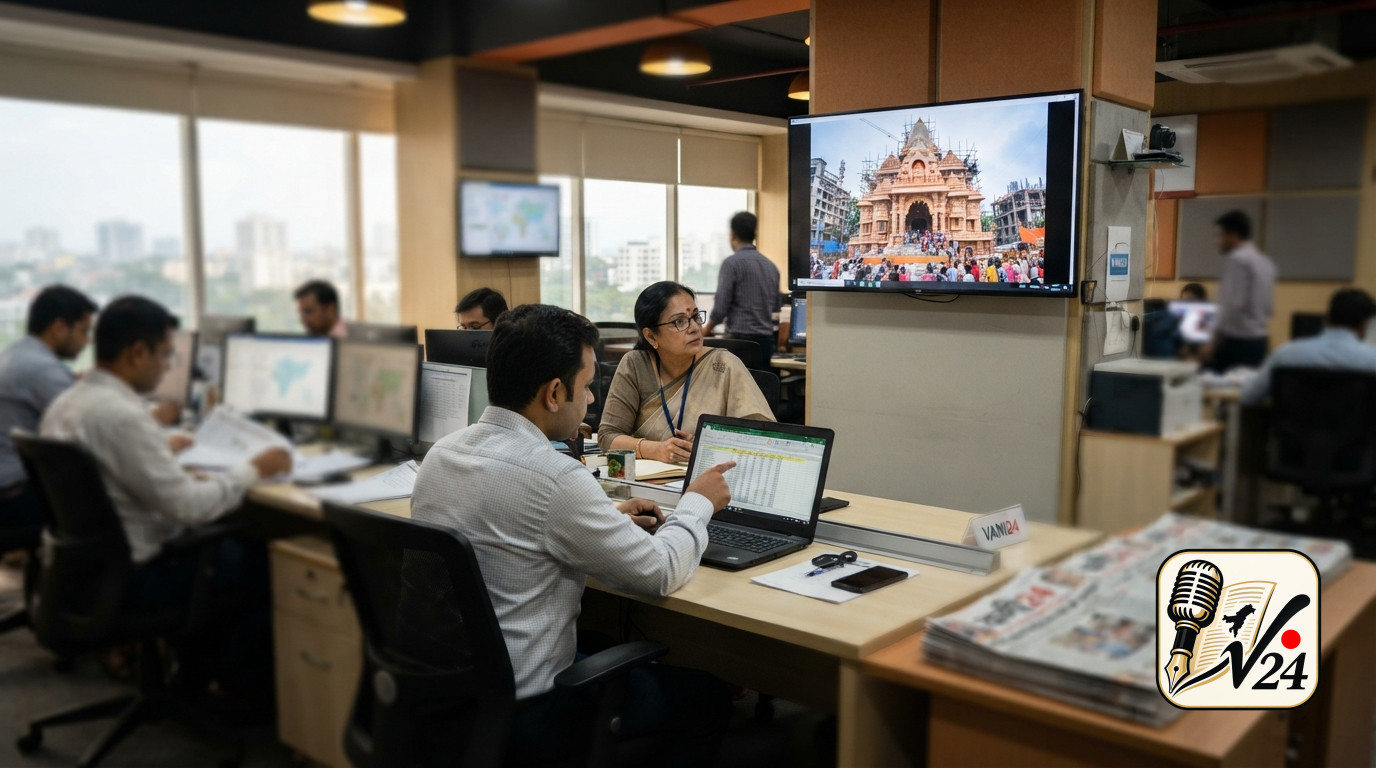
The initial preview of the 2026 Lalbaugcha Raja presented a meticulously crafted visual spectacle centered on traditional artistic motifs. The first look unveiled a grand temple-themed pandal design created to offer visitors an immersive spiritual ambience. A prominent highlight of this year's installation is a Mahakaal-inspired Shivling integrated directly into the pandal structure. The design combines intricate architectural elements meant to resemble sacred temple complexes with symbolic religious artwork. Each year, the committee selects a distinct conceptual layout, and the 2026 revelation of the temple architecture alongside the Mahakaal motif has set the visual benchmark for this year's celebrations, attracting widespread admiration from attendees and media outlets.
How does the 2026 pandal theme incorporate sacred spiritual elements?
The inclusion of a Mahakaal-inspired Shivling within a temple-themed pandal highlights a deliberate effort by the designers to blend traditional Shaivite imagery with the devotional center of the Ganeshotsav idol. By constructing a pavilion that mimics classical Indian temple design, the committee aims to give pilgrims the experience of entering an ancient shrine within the busy urban environment of Mumbai. The Mahakaal theme draws upon renowned sacred traditions associated with Lord Shiva, establishing a unified visual narrative that resonates deeply with worshippers. Artistic craftsmen spend months erecting these intricate structures, utilizing specialized decor, lighting setups, and structural engineering to ensure both visual impact and physical safety for the large crowds passing through daily.
What details exist regarding darshan procedures and daily aarti schedules?
Organizers and news guides have released operational details covering darshan entry points and daily ritual timings to assist the vast influx of visitors expected throughout the festival. Devotees seeking physical darshan at Lalbaugcha Raja can access the pandal via designated lines categorized generally into general queue lines and special privilege lines, often referred to as Navsachi Line for those fulfilling vows and Mukh Darshan Line for quick viewing. Scheduled daily aartis occur at specific times during the morning and evening hours. Official event guides emphasize adherence to timed slots and queue rules to maintain crowd control, given that line wait times can stretch into many hours during peak days of the festival.
How can devotees access online and offline booking options and live streams?
To accommodate the huge number of worshippers who cannot queue physically or who live outside Mumbai, organizers and media partners provide multi-channel viewing and access options. Comprehensive guides outline methods for booking entry passes both online through official registration channels and offline through designated counters. Additionally, for millions of followers situated across different regions of India, official live streams are broadcast online across video platforms and digital portals. This digital infrastructure enables citizens from far-flung locations, including Assam and wider Northeast India, to participate virtually in morning and evening aartis, observe real-time darshan, and experience the cultural proceedings without traveling to Maharashtra.
What financial scale and insurance coverage mark Mumbai's major Ganpati mandals this year?
Beyond Lalbaugcha Raja, Mumbai's festival season is noted for extraordinary financial scale and asset protection measures taken by major committees. A prominent example in 2026 is the GSB Seva Mandal at King's Circle, widely recognized as Mumbai's richest Ganpati idol setup. The GSB idol this year is adorned with 66 kilograms of gold and 335 kilograms of silver ornaments. To safeguard the immense physical assets, visitors, volunteers, and structural installations, the GSB Seva Mandal secured an unprecedented insurance cover of Rs 703 crore for the 2026 festive period. This comprehensive policy reflects the heightened risk management standards adopted by major urban mandals handling invaluable precious metals and millions of footfalls.
Who oversees security planning, logistics, and insurance management for these events?
The management of mega-events like Lalbaugcha Raja and the GSB Seva Mandal involved close coordination between private mandal executive committees, insurance underwriters, local municipal authorities, and city police departments. Mandal management committees coordinate the procurement of insurance policies that cover fire, theft, personal accident risks for devotees, and public liability. Simultaneously, local police and private security personnel manage perimeter security, crowd movement, queue barricading, and surveillance systems. Emergency response teams and medical units are stationed near major venues to handle potential health incidents or overcrowding emergencies during high-density visiting hours.
Where can national audiences follow updates and live coverage during the festival?
National audiences can track live updates, visual footage, and scheduling details across major news platforms, verified video streams, and dedicated festive online portals. Outlets such as NDTV, Hindustan Times, and India Today maintain active reporting on pandal unveilings, insurance announcements, and crowd advisories. Devotees residing in states like Assam and across the Northeast can access continuous video broadcasts and digital press releases online. This extensive media connectivity ensures that real-time developments from Mumbai's central festival venues are accessible to citizens across all states throughout the duration of Ganesh Chaturthi.
What operational details remain unconfirmed or subject to local advisory updates?
While broad guidelines regarding darshan modes, pandal design, and insurance numbers have been published, specific dynamic updates remain subject to daily traffic and police advisories. Details concerning real-time wait times for specific queues, localized road diversions around Lalbaug and King's Circle, and temporary adjustments to live stream feeds are updated periodically by authorities as crowd conditions evolve. Devotees planning visits are advised to consult official mandal notifications and local police traffic updates for immediate changes to entry routes and scheduling during peak festival days.
Sources
- NDTV: Video | Lalbaugcha Raja 2026 First Look Unveiled: Grand Temple-Themed Pandal, Mahakaal-Inspired Shivling
- India Today: Mumbai's richest Ganpati idol with 66 kg gold, 335 kg silver gets Rs 703 crore insurance cover
- Hindustan Times: Ganesh Chaturthi 2026: Lalbaugcha Raja darshan, aarti timings, how to book tickets online, offline and live stream guide | Hindustan Times
More from Culture