
What did Ruturaj Gaikwad reveal about shifting to the middle order during the second ODI against West Indies?
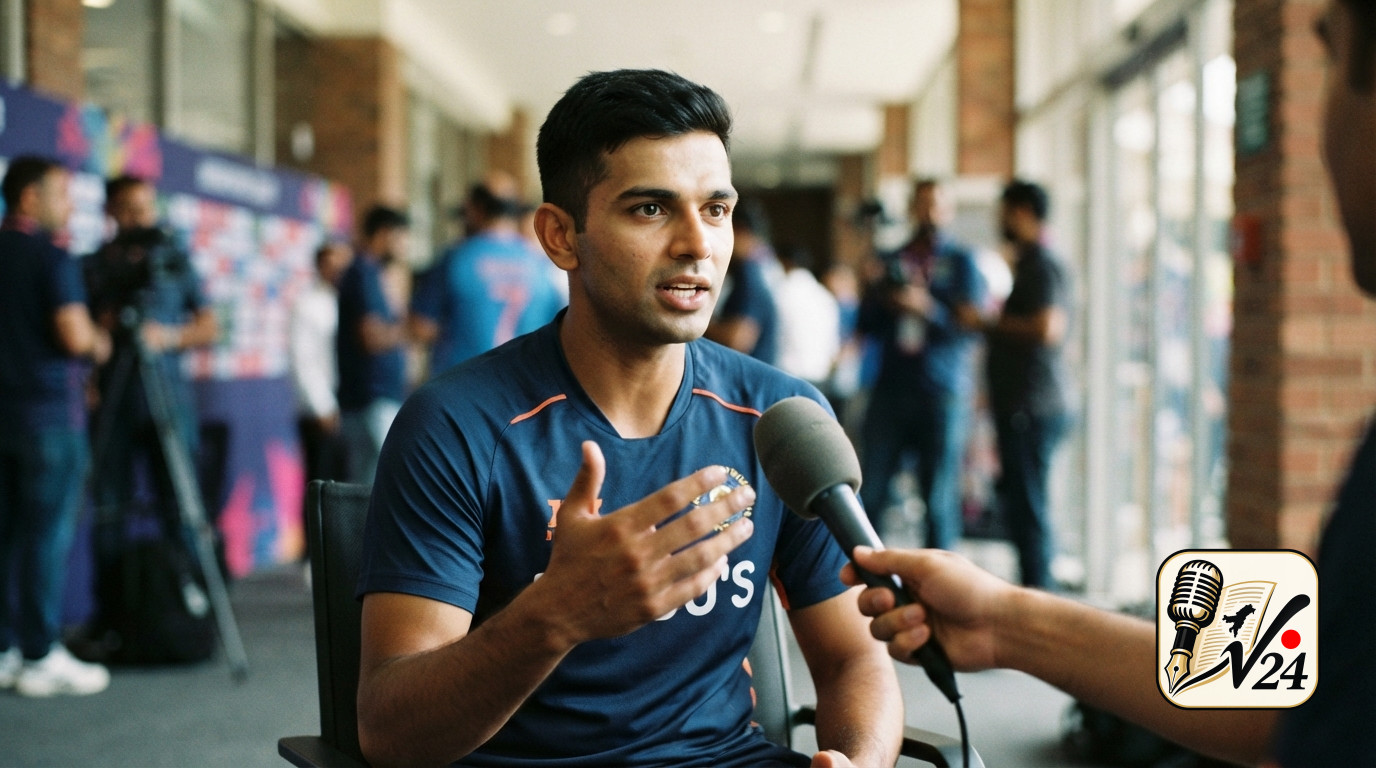
During an official BCCI interview broadcast during the second One Day International between India and the West Indies, top-order batter and Chennai Super Kings captain Ruturaj Gaikwad offered detailed insight into his transition down the batting order. Gaikwad addressed the distinct tactical and psychological adjustments required when moving from his familiar top-order role to a middle-order position in India's ODI lineup. He explained that shifting to the middle order brings a unique set of demands that differ significantly from opening the innings or batting at number three. Rather than setting the tone against a fresh hard ball with field restrictions in place, middle-order batters must read game situations dynamically, react to varying pitch conditions, and adapt to the state of the innings upon arriving at the crease. Gaikwad emphasized that mastering this shift requires continuous mental agility and field awareness, as a player may need to anchor a rebuilding phase after early wickets or accelerate immediately if entering during the closing overs of an innings.
Who provided the opportunity for Ruturaj Gaikwad to showcase his middle-order capabilities in the ODI series?
The opportunity for Ruturaj Gaikwad to feature in India's middle order arose primarily due to the absence of regular middle-order batter Shreyas Iyer during the ODI series against the West Indies. Iyer's temporary unavailability created an opening in the national team's middle-order matrix, prompting team management to deploy Gaikwad in the role. Traditionally recognized as an opening batter both in domestic cricket and in his leadership role for Chennai Super Kings, Gaikwad's inclusion in the middle order allowed the national setup to test his positional versatility. By stepping into the slot vacated by Iyer, Gaikwad received a valuable platform to demonstrate his adaptability across different stages of a 50-over match. Analysts and reporting around the series highlighted that Iyer's absence provided a crucial window for Gaikwad to capitalis on international exposure while simultaneously helping India build robust secondary options in their batting line-up.
How does batting in the middle order differ from opening the innings according to Ruturaj Gaikwad's perspective?
According to Ruturaj Gaikwad's observations shared during his interview with the BCCI, the primary difference between opening and middle-order batting lies in the unpredictability of match scenarios and the immediate strategic demands placed on the batter. When opening the innings, a player faces a new ball, predictable field settings, and a clear objective to maximize the early powerplay overs. In contrast, entering in the middle order forces a player to instantly evaluate the match state. A middle-order batter might walk out when the team is under severe pressure following quick early wickets, requiring a defensive, rebuilding approach against spin and soft balls. Alternatively, the batter might be called upon to accelerate scoring in the powerplays or death overs. Gaikwad highlighted that these varying scenarios demand rapid shifts in mindset, shot selection, and strike rotation, making the middle-order role a distinct operational challenge compared to top-order duties.
Why is Ruturaj Gaikwad's adaptability in the middle order important for India's ODI team depth?
Ruturaj Gaikwad's ability to successfully adjust to middle-order responsibilities is considered a major positive for India's squad depth and tactical flexibility in one-day international cricket. Having top-order specialists who can seamlessly transition into middle-order roles provides national selectors and team leadership with valuable tactical contingency plans. In modern white-ball cricket, player availability can fluctuate due to injuries, workload management, or tactical realignments. When players like Gaikwad—who possess established leadership credentials as the captain of Chennai Super Kings—demonstrate competence outside their primary positions, it enhances the overall balance of the squad. Capitalizing on opportunities during series like the West Indies ODIs allows India to build a broader pool of tested middle-order resources, reducing reliance on single positional specialists and ensuring seamless substitution when key personnel are absent.
What role did BCCI's interview coverage play in highlighting Ruturaj Gaikwad's positional transition?
The official BCCI digital media platform brought widespread attention to Ruturaj Gaikwad's evolving role by releasing an exclusive interview during the second ODI against the West Indies. The feature video provided fans and analysts with direct commentary from Gaikwad regarding his internal mindset and approach to the tactical change. Rather than relying solely on post-match press conference summaries, the dedicated interview segment allowed Gaikwad to articulate the technical and mental nuances of shifting down the order in his own words. By highlighting his reflections on situational awareness and team requirements, the content underscored how the national side evaluates player flexibility and highlighted Gaikwad's active commitment to serving team needs regardless of designated batting positions.
When did discussions surrounding Ruturaj Gaikwad's middle-order shift gain prominent attention?
Public discussion and media focus surrounding Ruturaj Gaikwad's strategic role intensified during the second ODI of the 2026 series between India and the West Indies. The conversation gained momentum immediately following his interview published by the BCCI, where he addressed his shift to the middle order directly. News outlets and cricket commentary platforms picked up on his statements, connecting his performance and adaptability to the broader picture of India's squad selection dynamics. The timing coincided with Shreyas Iyer's absence from the playing XI, creating a clear focal point for discussions about how backup options are integrated into the national team structure during bilateral international series.
Where does Ruturaj Gaikwad's versatility place him in the overall landscape of Indian cricket?
Ruturaj Gaikwad's demonstrated versatility places him in a strong position within the competitive landscape of Indian international cricket. Having already established himself as a reliable top-order run-scorer and a proven leader as captain of Chennai Super Kings in domestic and franchise cricket, adding middle-order flexibility increases his overall utility to the national team. Modern team construction places high value on multi-dimensional players who can adjust their roles based on team strategy or pitch conditions. By showing readiness to perform in the middle overs against West Indies, Gaikwad reinforces his standing as a dependable, multi-positional option capable of reinforcing India's batting lineup across various tactical configurations.
How could Ruturaj Gaikwad's middle-order performance influence future selection decisions?
Ruturaj Gaikwad's successful adaptation to middle-order duties could significantly influence future team selection strategies by providing national selectors with a flexible asset for upcoming ODI fixtures. When key middle-order players face fitness issues or require rest, Gaikwad offers a viable option who possesses both top-order technique and middle-order situational awareness. Cashing in on opportunities during series against teams like the West Indies strengthens his case for consistent inclusion in broad match-day squads. Over time, demonstrated adaptability across multiple positions makes a player an essential component of tournament squads, where bench strength and tactical versatility often determine long-term success.
Sources
More from Sports