
What changes have been announced for India's white-ball squad against the West Indies?
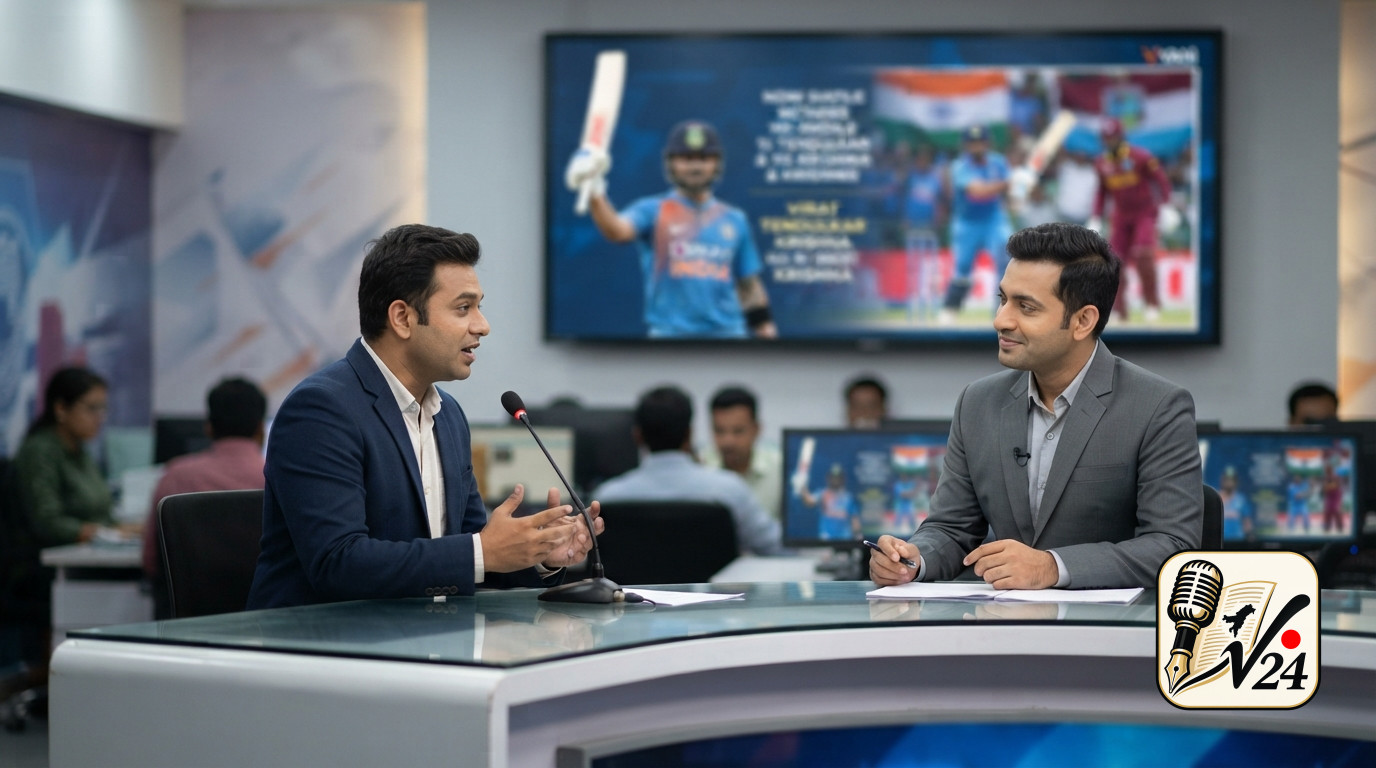
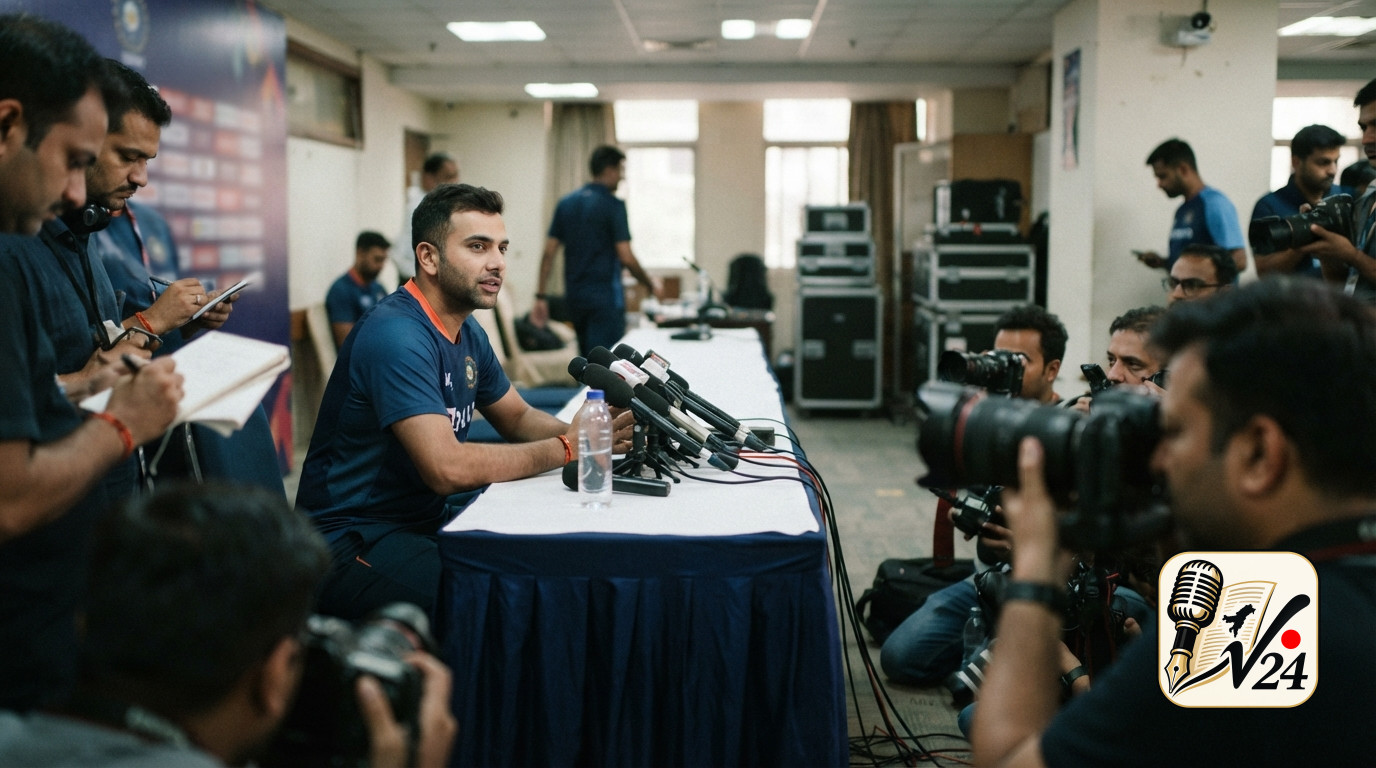
The Indian cricket selection committee and team management have instituted notable changes to the squad taking part in the ongoing white-ball series against the West Indies. According to official reporting and coverage from major sports outlets including Cricbuzz, ESPNcricinfo, and the International Cricket Council (ICC), key player updates have affected both the One Day International (ODI) and Twenty20 International (T20I) legs of the tour. Prominent all-rounder Washington Sundar has been officially withdrawn from the upcoming T20I series against the West Indies squad. Concurrently, fast bowler Prasidh Krishna has suffered an injury that has ruled him out of competition, prompting the team selection panel to draft in pacer Anshul Kamboj as his direct replacement for the final ODI match of the ongoing series. These roster adjustments represent a significant reshuffle of India's white-ball lineup as management balances player workload, physical condition, and tactical flexibility across formats. While squad updates of this nature frequently occur during high-density bilateral series, the double movement involving an established spin-bowling all-rounder and a key fast bowler draws close attention to how the national team manages squad depth and sudden fitness concerns during international competition.
Why was all-rounder Washington Sundar withdrawn from the West Indies T20I series?
Washington Sundar was formally withdrawn from India's Twenty20 International squad for the series against the West Indies following announcements from team authorities and sports reporting platforms. The off-spinning all-rounder, who provides balance to the national side through his economical powerplay bowling and lower-order batting capability, will not participate in the shortest format fixtures of this specific bilateral tour. While initial reports from cricket outlets verify the decision to pull Sundar out of the T20I fixtures, the specific underlying circumstances—such as whether the withdrawal stems from a physical strain, precautionary workload management, or administrative reassessment—have not been elaborately detailed in the immediate public releases. In professional cricket governance, team management frequently opts to rest or withdraw key players when managing long-term physical conditioning, recovering from minor physical discomforts, or preparing for subsequent international assignments. The absence of Sundar leaves a distinct slot in the T20I squad's spin department and lower-middle batting order, requiring the coaching staff to reconfigure their tactical combinations for the upcoming match schedule against the West Indies.
Who is replacing Prasidh Krishna in the final ODI match against the West Indies?
Anshul Kamboj has been named as the replacement for fast bowler Prasidh Krishna for the final One Day International of the series against the West Indies. Prasidh Krishna was sidelined from the crucial match after sustaining an injury that rendered him unavailable for selection. To fill the vacancy left by the right-arm fast bowler, the selection committee called up Anshul Kamboj, giving the young pacer an opportunity to join the senior national squad setup for the concluding 50-over encounter. The decision to integrate Kamboj highlights the national selectors' strategy of maintaining a deep pool of pace bowling options capable of stepping into international fixtures on short notice. Replacing an established paceman like Prasidh Krishna requires a player who can deliver discipline with the new ball as well as execution during middle and final overs. By bringing Kamboj into the squad for the final ODI, the team management ensures that the bowling attack maintains its required depth and energy levels as they aim to close out the 50-over leg of the series against the West Indies effectively.
How does Prasidh Krishna's injury affect India's pace bowling lineup for the series?
Prasidh Krishna's unexpected injury presents a challenge to India's pace bowling group, stripping the fast-bowling department of a key tall right-arm bowler who typically provides steep bounce, seam movement, and disciplined lengths. Krishna's ruling out of the final ODI forces the team management to alter their tactical planning regarding bowling rotation and over management during crucial phases of the match. Fast bowlers play a crucial role in maintaining pressure during the early powerplay overs and breaking middle-order partnerships. With Krishna unavailable, the management must rely on alternative pace options and newly inducted players like Anshul Kamboj to maintain the team's defensive and attacking metrics. Furthermore, injuries to key pacers mid-series often place additional responsibilities on the remaining senior fast bowlers and all-rounders to bowl high-pressure overs. The shift highlights the inherent physical demands placed on modern fast bowlers participating in fast-paced international white-ball schedules, where quick turnarounds leave minimal room for physical wear and tear before squad changes become necessary.
What role does Anshul Kamboj play as he enters the national team squad?
Anshul Kamboj enters the national team environment as a fast-bowling replacement tasked with stepping directly into an international match setting against the West Indies. Drafted into the squad specifically for the final ODI following Prasidh Krishna's injury, Kamboj represents the continuous pipeline of domestic seam bowling talent being integrated into the national setup. His primary role in the team involves delivering disciplined spells with the seam, adapting quickly to tactical field placements, and offering the captain a reliable option to control the run rate or pick up crucial wickets during the middle overs. Joining an international squad mid-series presents both tactical and mental challenges, as replacement players must swiftly align with the team's strategy and team dynamics. For Kamboj, this inclusion provides a prominent platform to demonstrate his capabilities at the highest level of international cricket. His presence adds fresh energy to the bowling department and ensures that India can field a balanced attack for the final ODI without sacrificing pace or overall balance.
When were these roster shuffling decisions finalized by the team management?
The decision to alter the white-ball squads was finalized and made public ahead of the final One Day International and the upcoming Twenty20 International series between India and the West Indies. Official media releases and reports from major cricket news networks like Cricbuzz, ESPNcricinfo, and the ICC confirmed the changes as the team prepared for the final stages of the ODI schedule. Squad adjustments of this nature are typically finalized after thorough physical assessments by the medical team, discussions between the chief selectors and team management, and evaluation of upcoming fixture demands. By announcing Washington Sundar's withdrawal from the T20I series and Anshul Kamboj's addition for the final ODI simultaneously, cricket administrative authorities provided clear confirmation regarding player availability. This clarity allows both the Indian coaching staff and their opponents, the West Indies, to finalize their tactical preparations and team selections ahead of the remaining matches.
Where do these squad updates leave India's preparations for the white-ball series?
These squad updates leave India's team management in a position where they must recalibrate their tactical combinations for both the immediate final ODI and the impending T20I series against the West Indies. In the ODI format, the inclusion of Anshul Kamboj for the injured Prasidh Krishna means that the team will field a modified bowling attack for the concluding fixture. In the T20I format, the withdrawal of Washington Sundar creates an opening in the playing eleven or squad roster, prompting choices regarding whether to rely on alternative spin options or introduce different all-round combinations. While squad changes late in a series can disrupt established team cohesion, they also offer team management a vital opportunity to test squad depth and evaluate new combinations under competitive conditions. The upcoming matches against the West Indies will demonstrate how effectively the national team adapts to these enforced roster modifications while maintaining high performance standards across both white-ball formats.
Why are detailed injury recovery timelines not fully disclosed in the initial reports?
Detailed recovery timelines and specific medical diagnoses for both Washington Sundar and Prasidh Krishna were not comprehensively detailed in the initial public announcements released by sports outlets and official bodies. In modern international sports communications, initial squad announcements often focus primarily on official availability status—such as withdrawals or replacement calls—before full medical evaluation reports are publicly released. Medical staff and team management usually conduct comprehensive scans, physical evaluations, and rehabilitation planning before setting definitive timelines for a player's return to competitive action. Consequently, while the immediate status of both players—Sundar being withdrawn from the T20Is and Krishna ruled out of the final ODI—is confirmed, precise details regarding the length of their potential absences or specific medical conditions remain undisclosed in the preliminary press reports. Fans and analysts must await subsequent updates from board medical teams to ascertain when both players will fully resume international duties.
Sources
More from Sports