

What happened to the BSE Sensex on September 29, 2026?
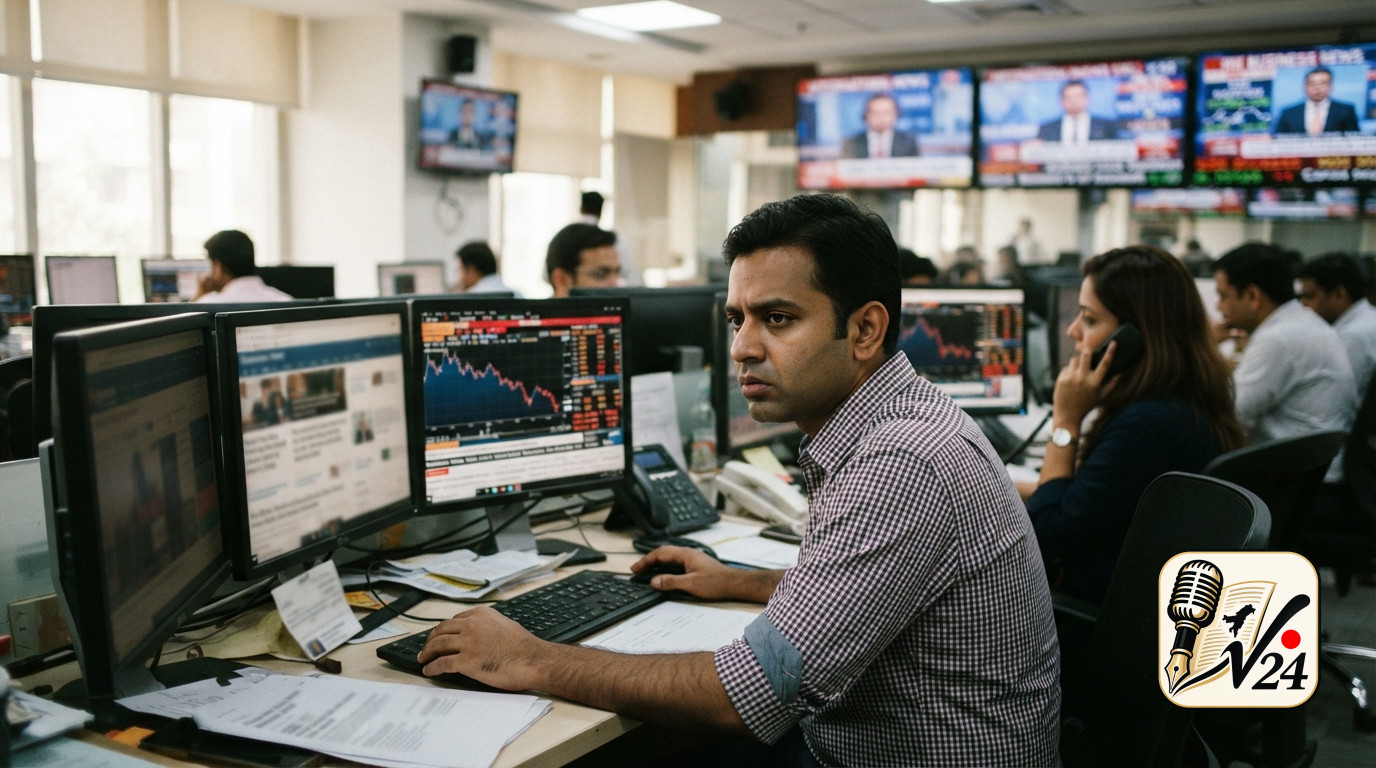
On September 29, 2026, India's benchmark equity index, the BSE Sensex, recorded a drop of 242 points as trading opened under weak momentum and sustained downward pressure throughout the session. The decline marked the second consecutive day of market losses for Indian equity indices, reflecting persistent selling pressure across major market segments. From early morning trade, key indices struggled to maintain positive territory, with selling activity dragging the Sensex into lower ground. Alongside the slump in the Sensex, the broader Nifty50 index experienced a parallel decline, falling below the key psychological threshold of 22,600 points. Overall market sentiment remained subdued, characterized by heightened cautiousness among investors and limited buying interest. Financial reports confirmed that the drop on September 29 was part of a short-term downward phase in which indices remained in a firm bear grip, extending negative momentum across Indian stock exchanges.
Why did the Indian stock market drop for a second consecutive day?
The primary factors driving the stock market decline on September 29, 2026, were elevated international crude oil prices and persistent foreign institutional investor fund outflows. Indian equity markets ended lower for a second straight trading session as these dual macroeconomic pressures combined to weigh on investor sentiment. High international crude oil prices pose a significant economic challenge for import-dependent nations like India, raising concerns over rising import costs, elevated inflation expectations, and squeezed corporate profitability margins. Simultaneously, foreign institutional investors engaged in noticeable capital withdrawals from Indian equity markets, creating a imbalance between selling volume and buying demand. The combination of sustained foreign fund liquidations and heightened energy costs created significant downward pressure on benchmark indices, pulling the BSE Sensex down by 242 points by the end of the trading session.
How did elevated crude oil prices impact market sentiment?
Elevated crude oil prices served as a central driver behind the widespread market sell-off on September 29, 2026. Because India imports a large portion of its daily crude oil requirements, persistent increases or high levels in global oil benchmarks directly affect the broader economy. High energy costs elevate input expenses for manufacturing, logistics, and consumer-facing sectors, which can compress operating margins for publicly traded companies listed on the Bombay Stock Exchange and the National Stock Exchange. Furthermore, elevated crude prices often exacerbate broader inflationary trends, leading market participants to anticipate potential macroeconomic tightening or prolonged high interest rates. Consequently, when crude oil prices remain elevated, institutional and retail equity investors frequently reduce their exposure to equities, opting to trim risk asset holdings and dragging down benchmark indices like the BSE Sensex.
What role did foreign fund outflows play in the market decline?
Foreign portfolio and institutional investor outflows played a substantial role in accelerating the drop in the BSE Sensex on September 29, 2026. Foreign institutional investors are major liquidity providers in the Indian capital markets, and their trading decisions exert a heavy influence on index movements. When international asset managers reduce their exposure to Indian equities due to global economic conditions, shifting interest rate differentials, or elevated commodity prices, their sustained net selling creates substantial downward pressure on large-cap stocks. On September 29, continuous foreign capital outflows resulted in persistent order imbalances on stock exchange order books, which domestic institutional and retail buyers were unable to fully offset. This heavy selling by foreign funds directly dragged down major index components, helping keep the broader market locked in a bear grip throughout the session.
How did the Nifty50 perform alongside the BSE Sensex during this sell-off?
The National Stock Exchange's flagship benchmark, the Nifty50, mirrored the downward trajectory of the BSE Sensex during the September 29, 2026, trading session. The Nifty50 index slipped below the critical 22,600 level, reflecting broad-based weakness across major industry sectors. Because the Nifty50 represents fifty of the largest and most heavily traded companies listed on Indian exchanges, a drop below major numerical milestones often indicates widespread selling rather than isolated drops in a few specific companies. The synchronized fall in both the BSE Sensex and the Nifty50 highlighted the broad scope of the market downturn, showing that macro factors such as high crude oil prices and foreign portfolio outflows impacted equity valuations across the wider Indian stock market spectrum.
Who was affected by the broader bear grip on the stock markets?
The broader bear grip on the equity markets affected a wide spectrum of market participants, including institutional fund managers, domestic retail investors, and active traders across India. When equity benchmarks suffer consecutive days of losses, overall market capitalization contracts, resulting in portfolio value reductions across equity mutual funds, systematic investment plans, and direct equity portfolios. Retail investors holding stock holdings or participating through mutual fund investments saw temporary declines in portfolio balances during the September 29 session. At the same time, institutional trading desks and market intermediaries faced heightened intraday volatility as negative sentiment led to sustained selling pressure and lower liquidity levels across key market segments.
What critical details remain unverified in available financial reporting?
While reporting establishes that the BSE Sensex fell 242 points on September 29, 2026, due to elevated crude oil prices and foreign fund outflows, several detailed metrics remain unstated in the available news coverage. Official reports provided in the sources do not specify the exact total net value of foreign fund liquidations in rupee or dollar terms for that specific trading day. Additionally, the exact benchmark price per barrel for global crude oil during the session is not detailed in the source headlines. Specific sector-by-sector performance metrics, individual top gainers and losers within the Sensex basket, and formal commentary from central bank officials or market regulators were also not detailed in the available news briefs. These specific quantitative details remain unverified pending official end-of-day market statistics released by the stock exchanges.
When will market participants get further clarity on equity trends?
Market participants will gain clearer insights into market trends as official exchange settlement data, net foreign portfolio trading summaries, and international macroeconomic reports are published following the close of trading. Detailed daily reports issued by the Bombay Stock Exchange and the National Stock Exchange provide exact figures on net buying and selling by foreign institutional investors and domestic institutional investors. Traders and financial analysts will continue to monitor global commodity markets, particularly international crude oil price benchmarks, during upcoming trading sessions to assess whether cost pressures will subside. Future market sessions will determine whether the BSE Sensex can find technical support and stabilize, or if elevated oil prices and ongoing foreign capital outflows will continue to exert downward pressure on Indian equity benchmarks.
Sources
- The Times of India: Stock market crash today: BSE Sensex continues to be in bear grip; Nifty50 below 22,600 - top reasons for
- Telegraph India: Stock markets end for second day as elevated oil prices, Sensex drops 242 points
- The Hindu: Stock markets tumble in early trade dragged by elevated crude oil prices, foreign fund outflows
More from Business