
What is the latest update regarding the proposed nationwide bank strike?
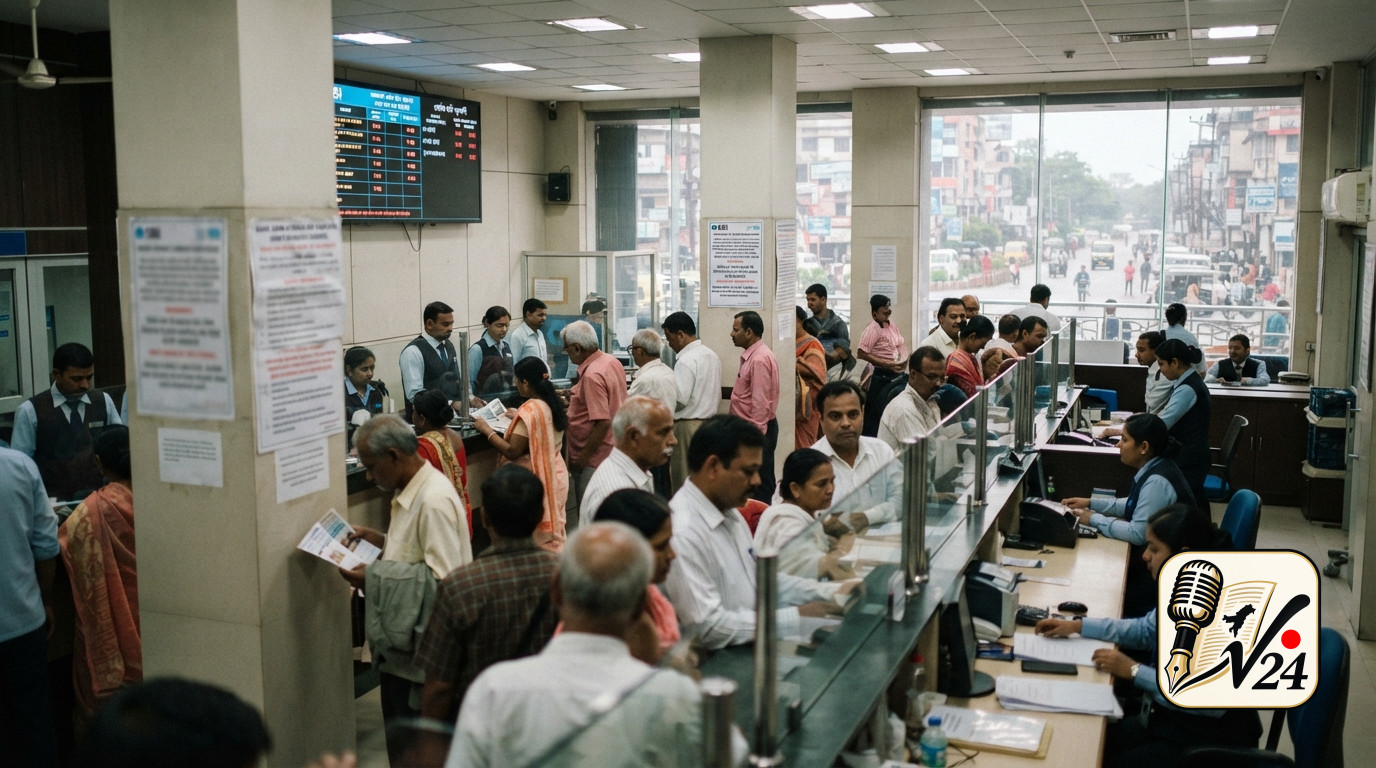
The proposed three-day nationwide bank strike that was scheduled to begin on Monday, September 28, has been officially deferred. The decision to defer the industrial action was finalized after conciliation talks took place between representatives of the Indian Banks' Association and various bank unions. As a result of this development, normal banking operations are set to continue without the widespread branch closures that had been anticipated. Customers across the country will be able to perform routine over-the-counter financial transactions, including manual cash withdrawals, cash deposits, and paper cheque processing. While the strike action has been put on hold rather than completely canceled, the immediate threat of a multi-day shutdown in essential branch-level financial services has been successfully averted.
When was the three-day bank strike originally scheduled to take place across India?
The nationwide bank strike was originally scheduled to commence on Monday, September 28, and extend for three consecutive days. Had the strike proceeded according to the initial schedule, bank branches nationwide would have experienced major work stoppages during the early part of the week. Trade union members from various public sector and participating banking institutions had planned to participate in the collective action, raising concerns about severe delays in clearing operations, administrative services, and customer assistance. Because the planned strike was set to begin on a Monday, account holders had been anticipating potential disruptions extending across multiple business days. However, the successful conciliation meeting between banking management bodies and union leaders led to the deferment before the scheduled start date.
Why was the nationwide bank strike originally called by employee unions?
Bank unions and staff associations called for the three-day nationwide strike to highlight longstanding industrial demands and unresolved operational issues within the banking sector. Employee organizations have consistently engaged with bank management and policy makers regarding matters such as wage settlements, working conditions, staff strength, administrative policies, and employee welfare benefits across public sector and commercial banks. When formal bilateral discussions face impasses, trade unions frequently use strike notices as a formal mechanism to press their key priorities and bring management to the negotiation table. The announcement of the three-day strike starting September 28 served as the prompt for the Indian Banks' Association to convene conciliation discussions aimed at addressing the primary concerns of the union leadership.
How did conciliation talks lead to the deferment of the three-day bank strike?
The decision to defer the three-day strike was reached through formal conciliation talks held between the leadership of the Indian Banks' Association and union representatives. During these deliberations, management representatives met with union delegates to discuss the primary points of contention that had prompted the strike call. The discussions provided a platform for both parties to review employee grievances and establish assurances regarding further dialogue on key operational and administrative matters. Following these positive exchanges, the participating bank unions agreed to put the proposed three-day work stoppage on hold. Industrial conciliation procedures allow employers and labor organizations to negotiate solutions and avoid critical service disruptions, keeping open the path for continued administrative discussions.
What banking services were expected to suffer had the strike gone forward from Monday?
Prior to the deferment, reports indicated that a three-day bank strike starting Monday, September 28, would have significantly impacted essential financial services across the nation. Had the work stoppage occurred, key branch operations such as physical cash deposits, over-the-counter cash withdrawals, paper cheque clearing processes, and demand draft issuance would have suffered severe delays. Furthermore, interbank clearing processing and specialized administrative support services would have faced backlogs due to missing branch staff. While digital banking channels, online transfers, and automated teller machines generally function through automated network systems, extended physical branch closures can lead to indirect bottlenecks in cash replenishment and transaction settlements. The deferment ensures that branch counters and clearing mechanisms will function without these anticipated operational obstacles.
Who participated in the conciliation talks that resulted in putting the strike on hold?
The conciliation talks involved key representatives from both management bodies and labor associations within the Indian banking ecosystem. On the management side, executives from the Indian Banks' Association represented the interests of public sector banks, commercial financial institutions, and participating banking organizations. On the employee side, leaders and representatives from major bank trade unions and staff associations represented the workforce. Conciliation officers and labor officials typically facilitate these formal interactions to ensure that industrial relations remain stable and that public utility services, including financial operations, face minimal disruption. The consensus reached between the Indian Banks' Association leadership and union representatives enabled the formal decision to defer the strike.
How does the deferment of the bank strike affect customers in regional areas, including Assam and Northeast India?
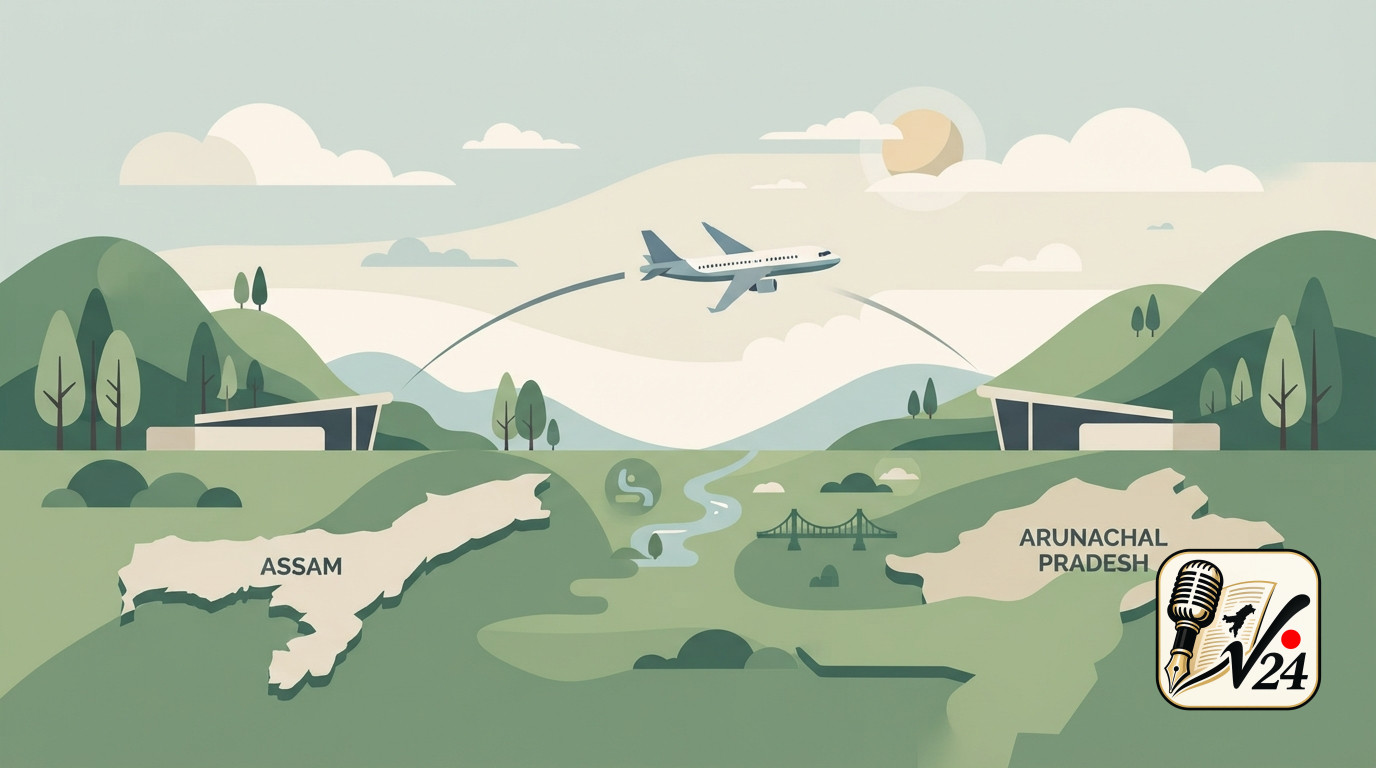
The deferment of the nationwide strike brings significant operational relief to bank customers across all states, including Assam and the wider Northeast region. In regional economic centers such as Silchar, Cachar, Hailakandi, and Karimganj within the Barak Valley, physical bank branches play a crucial role in daily commercial activities, small business operations, pension disbursals, and cash management. Multi-day branch closures can create notable operational challenges for local traders, rural account holders, and daily wage earners who rely heavily on in-person counter services. With the three-day strike deferred, bank branches across Assam and Northeastern states will remain open and operate under normal business hours starting Monday, ensuring continuous access to cash operations, cheque clearing, and account management.
What is the expected operational status of public and private sector banks starting Monday?
Starting Monday, September 28, all public sector banks and participating commercial banking institutions will operate under normal business hours and routine operational standards. Customers can visit their local bank branches to complete all standard transactions, including depositing or withdrawing cash, submitting paper cheques for clearance, managing fixed deposits, and availing of administrative services. Back-office operations, clearing houses, and interbank settlement processing centers will also run as scheduled. Meanwhile, bank management representatives and union leadership are expected to maintain official communication channels to address the underlying issues that led to the original strike notice, ensuring that industrial negotiations continue while public banking services remain fully active.
Sources
More from Business